 English (UK)
 Cymraeg

The Asymmetric Week at Pembroke Dock Community School

What is the Asymmetric Week?
Pembroke Dock Community School operates an asymmetric week, where the school day is slightly longer from Monday to Thursday, allowing pupils to complete their weekly learning time by 12:15pm on Fridays. This approach was introduced following consultation with pupils, parents, staff, and governors and continues to support both high-quality learning and wellbeing.
Why do we use an Asymmetric Week?
The asymmetric week provides benefits for both pupils and staff by creating dedicated time for professional learning, collaboration, and wellbeing while ensuring pupils receive their full entitlement to learning.
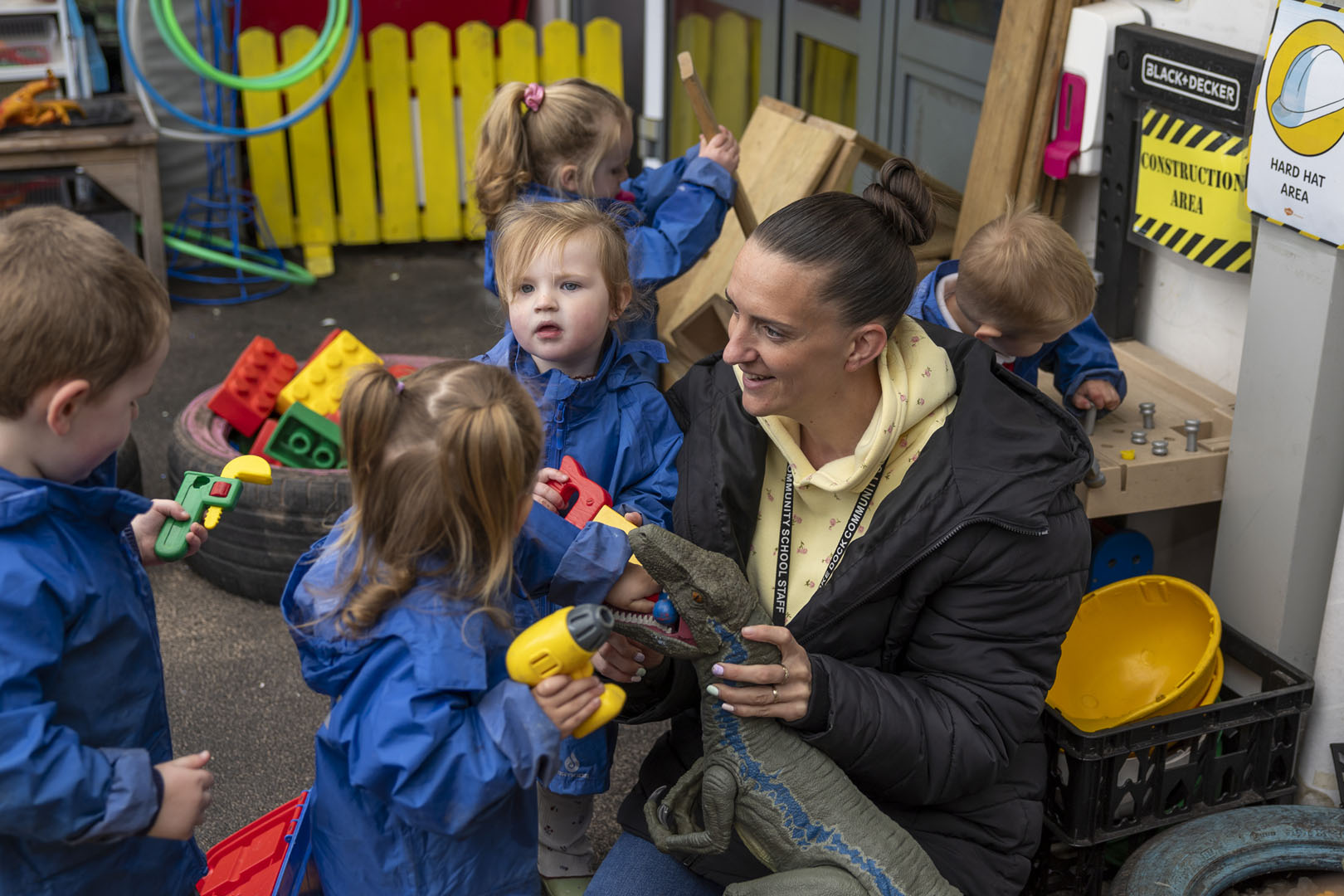
Key benefits include:
Staff have regular opportunities to engage in professional learning and school improvement activities, helping to maintain high standards of teaching and learning.
More meetings and collaborative work can take place outside of lesson times, reducing disruption to pupils’ learning.
Pupils benefit from an extended weekend, providing additional time for family activities, rest, hobbies, and wellbeing.
Staff wellbeing is supported through improved work-life balance, which contributes positively to the school community.
What Happens on Fridays?
School begins as normal in the morning.
Learning finishes at 12:15pm.
Pupils may either:
Go home at the end of the learning session, or
Attend free school-run activities during the afternoon.
Friday Afternoon Activities
The school provides a range of supervised activities for pupils who remain on site on Friday afternoons. These activities are provided at no additional cost to families and offer opportunities for enjoyment, social interaction, play, and enrichment.
Flexible collection arrangements are available, allowing parents and carers to collect children during the afternoon if required.

Our Commitment
The asymmetric week reflects our commitment to:
- High-quality teaching and learning.
- Continuous professional development for staff.
- Positive pupil and staff wellbeing.
- Strong family and community relationships.
- A balanced approach to education that supports children to thrive both academically and personally.